The Case of Berta Cáceres

Explore the career, thinking, and impact of one of Latin America’s most influential human rights and environmental defenders.

01.

Memory and Historical Context

The life of Berta Cáceres was marked by her defense of Lenca indigenous territory in the face of persistent structural violence. Her story reflects the tensions between indigenous communities, economic interests, and the role of the state in Honduras.

02.

Leadership with international impact

Berta Cáceres’ work transcended the borders of Honduras. Her voice was recognized by international organizations and global environmental movements, making her a leading figure in the fight for indigenous rights and the protection of nature.

03.

Investigation into her murder

This space documents the main findings of the Interdisciplinary Group of Independent Experts (GIEI) and other investigations that analyzed the circumstances of her murder, as well as the political, judicial, and social implications of the case.

About this site

This site brings together information, analysis, and key documents to understand the life, activism, and legacy of Berta Cáceres. Its objective is to provide context, preserve historical memory, and offer a rigorous look at one of the most emblematic cases of violence against environmental defenders.

The central motivation is to contribute to the understanding of the impact faced by indigenous women defenders of territory in Latin America and the power structures that condition their struggle.
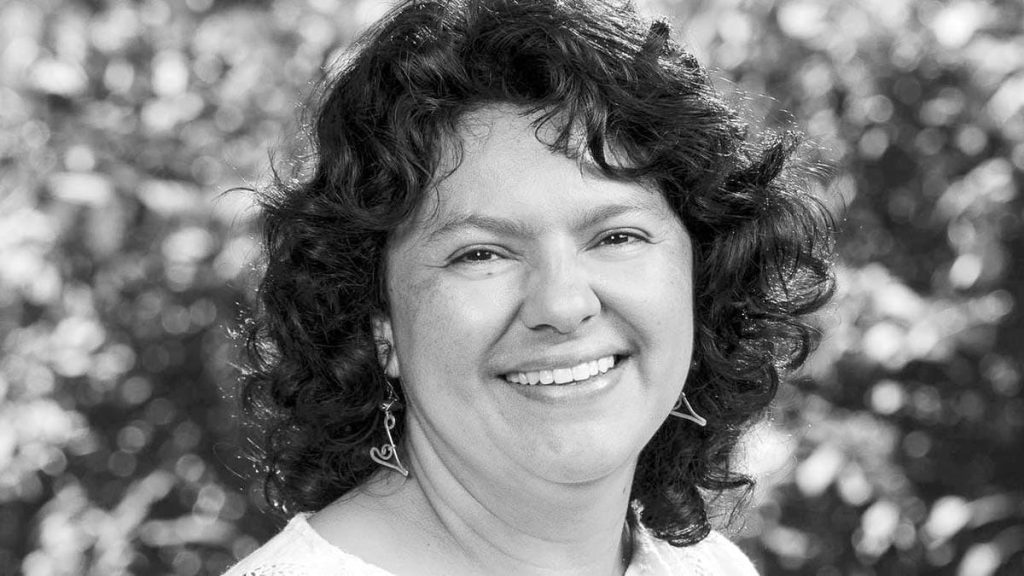
caso-berta-caceres

Key points of the case

Central elements that help to understand the context, impact, and implications of the Berta Cáceres case.

Violence, territory, and gender

The case of Berta Cáceres exposes the relationship between gender-based violence, the criminalization of indigenous activism, and conflicts over the exploitation of natural resources in ancestral territories.

Political and community education

Throughout her life, Berta promoted community organization, political education, and collective leadership as tools of resistance against projects imposed without prior consultation.

Legal dimension of the conflict

The conflict surrounding the Agua Zarca project and the subsequent legal proceedings reveal the limitations of the Honduran justice system in investigating complex crimes linked to economic and political interests.

A case that continues to resonate

The legacy of Berta Cáceres invites reflection on justice, human rights, and the defense of territory in Latin America.

Stories of resistance and legacy

Stories that reflect how the defense of territory and community organization have marked processes of change in contexts of conflict.
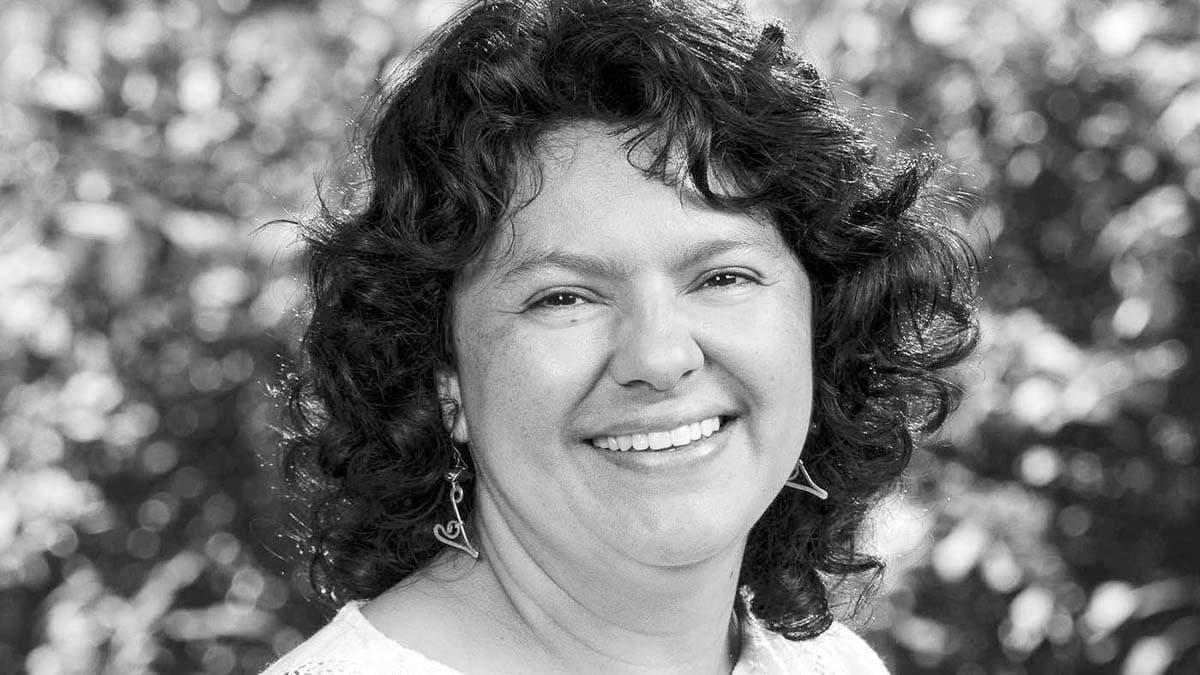
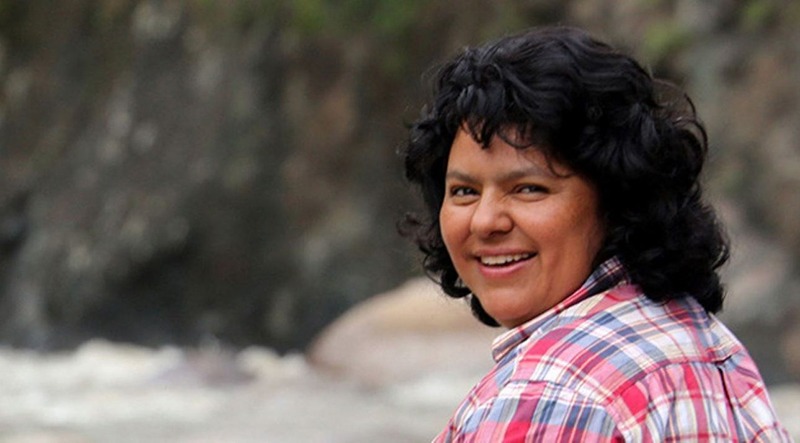
caso-berta-caceres

Collective resistance

Indigenous communities faced the imposition of hydroelectric projects in their territories. Social mobilization and the defense of the river made it possible to halt initiatives that threatened their environmental and cultural balance.

berta-caceres

Indigenous women’s leadership

Organized women strengthened their leadership and built support networks to defend their rights, following the path opened by leaders such as Berta Cáceres.

A case that continues to raise questions

The case of Berta Cáceres continues to raise questions about justice, human rights, and the protection of territory in Latin America.

Scroll to Top